Why You Should Consider Becoming a Blood Donor

A blood donors club is a group of individuals who are committed to donating blood to those in need. There are several reasons why such clubs are important:
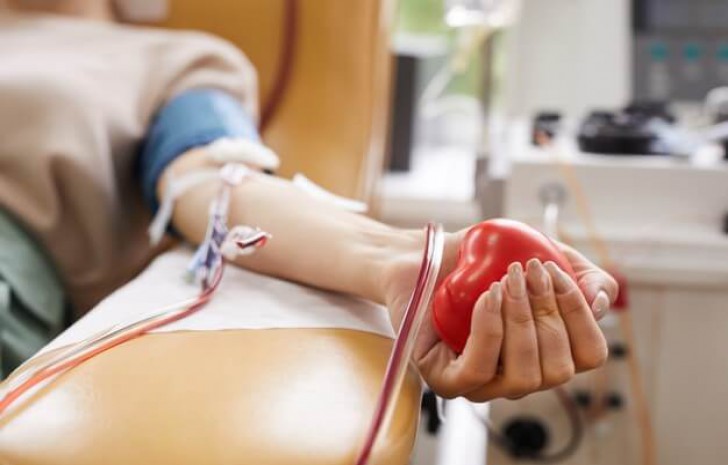
Blood donations save lives: Blood transfusions are critical in treating patients with various medical conditions, including cancer, severe anemia, and bleeding disorders. A blood donors club ensures that there is a steady supply of blood available for those in need.
Blood donations are in short supply: Despite the need for blood donations, there is often a shortage of blood in hospitals and blood banks. A blood donors club helps to bridge this gap by encouraging more people to donate blood.
Donating blood is a healthy practice: Donating blood has been shown to have several health benefits, including reducing the risk of heart disease and improving blood flow. A blood donors club can encourage people to donate blood regularly, which can be beneficial for both the donors and the recipients.
Creating a community of donors: A blood donors club can bring together people who are committed to helping others and create a sense of community among them. This can be a powerful way to promote a culture of giving and altruism.
Overall, a blood donors club can play an important role in saving lives, addressing shortages of blood, promoting healthy practices, and creating a sense of community among donors.
A blood donors club is a group of individuals who are dedicated to donating blood regularly to help those in need. These clubs can be organized by hospitals, blood banks, or independent organizations. Members of the club typically pledge to donate blood on a regular basis, and may also participate in organizing blood drives or other events to raise awareness about the importance of blood donation. The club may also provide support and encouragement to members, as well as resources such as information about the donation process and the benefits of donating blood. Overall, a blood donors club is a community of individuals who are committed to making a difference in the lives of others through the gift of blood donation.
Blood groups are based on the presence or absence of specific markers on the surface of red blood cells. The most commonly known blood groups are the ABO blood group system and the Rh factor.
The ABO blood group system is based on the presence or absence of two types of antigens (A and B) on the surface of red blood cells. Blood can be classified into four groups: A, B, AB, and O, based on the presence or absence of these antigens.
The Rh factor is another important blood group marker. People who have the Rh factor on their red blood cells are Rh
There are many different blood group systems, but the most important ones are the ABO system and the Rh system. Here are the four blood types in the ABO system:
Blood type A: This blood type has A antigens on the surface of its red blood cells and contains anti-B antibodies in the plasma.
Blood type B: This blood type has B antigens on the surface of its red blood cells and contains anti-A antibodies in the plasma.
Blood type AB: This blood type has both A and B antigens on the surface of its red blood cells and does not contain anti-A or anti-B antibodies in the plasma.
Blood type O: This blood type has no antigens on the surface of its red blood cells and contains both anti-A and anti-B antibodies in the plasma.
In the Rh system, a person can be Rh-positive or Rh-negative, depending on whether they have the Rh factor on the surface of their red blood cells or not. So, the eight main blood types are:
- A positive
- A negative
- B positive
- B negative
- AB positive
- AB negative
- O positive
- O negative
As an AI language model, I do not have access to specific blood donor testimonials. However, there are many benefits to donating blood, both for the donors themselves and for those in need of blood transfusions. Here are a few potential testimonials that donors may give:
- "I donate blood because it feels good to know that I'm helping others. It's a small sacrifice for me, but it could make a huge difference in someone else's life."
- "I started donating blood regularly because it's an easy way to give back to my community. Plus, I love getting the free snacks afterward!"
- "I used to be scared of needles, but I decided to face my fear and donate blood. Now I feel proud of myself for overcoming that fear and helping others at the same time."
- "I donate blood because I have a rare blood type, and I know that my donations are especially valuable to those in need. It's a way for me to make a tangible difference in someone else's life."
- "I've been a regular blood donor for years now, and it's become a meaningful part of my life. I feel like I'm part of a community of people who are committed to making a difference in the world."
Here are a few articles on the topic of blood donation that you may find interesting:
"The Benefits of Donating Blood": This article from the American Red Cross discusses the many benefits of donating blood, both for the donors themselves and for those who receive the blood transfusions.
"What to Expect When You Donate Blood": This article from the Mayo Clinic provides a step-by-step guide to the blood donation process, including what to expect before, during, and after the donation.
"Why Donate Blood?": This article from the World Health Organization (WHO) provides an overview of the global need for blood donations and the impact that donors can have on saving lives.
"The Science of Giving: Why Giving Blood Makes You Feel Good": This article from Forbes explores the psychological benefits of donating blood, including increased happiness and reduced stress.
"Frequently Asked Questions About Blood Donation": This article from the American Red Cross answers common questions about blood donation, including who can donate, what to expect during the donation process, and how donated blood is used.
I hope you find these articles informative and helpful!
Sure! Here's an article about the importance of blood donation:
The Importance of Blood Donation
Blood donation is a selfless act that can make a significant impact on the lives of others. It is estimated that someone in the United States needs blood every two seconds, and yet only a small percentage of eligible individuals actually donate blood. In this article, we'll explore the importance of blood donation and why it's essential to consider becoming a donor.
Why is blood donation important?
Blood donation is important for several reasons. First and foremost, it saves lives. Blood transfusions are necessary for patients with a variety of medical conditions, including cancer, chronic anemia, and severe injuries. Without an adequate supply of blood, these patients may not be able to receive the treatment they need to survive.
Additionally, blood donation helps to maintain the overall health of the community. When people donate blood, they undergo a thorough screening process that can detect any underlying health conditions, such as infectious diseases or high blood pressure. This screening process helps to ensure that the blood supply remains safe for those who receive it.
Who can donate blood?
Most people who are in good health and meet certain eligibility requirements can donate blood. The American Red Cross, for example, requires donors
Sure, here's a motivational article about the importance of blood donation:
The Power of Giving: Why You Should Consider Becoming a Blood Donor
Donating blood is one of the most selfless acts a person can do. It is an opportunity to help save lives and make a difference in your community. Unfortunately, despite the constant need for blood donations, many people are still hesitant to give. In this article, we'll explore the reasons why you should consider becoming a blood donor and the positive impact it can have on both you and those in need.
Saving Lives
The most obvious reason to become a blood donor is the fact that it saves lives. Blood transfusions are necessary for a variety of medical conditions, from cancer to severe injuries, and without an adequate supply of blood, patients may not be able to receive the treatment they need to survive. By donating blood, you have the power to help those in need and potentially even save a life.
Improving Your Own Health
Did you know that donating blood can actually be beneficial for your own health? Regular blood donation can help reduce the risk of certain health conditions, such as heart disease, stroke, and even certain types of cancer. It can also help lower your blood pressure and reduce the amount of iron in your blood, which can be beneficial for those with conditions such as hemochromatosis.
Building a Stronger Community
Blood donation is a community effort. When people come together to donate blood, they are building a stronger, more connected community. Donating blood can also be a way to give back and show support for those who may be going through a difficult time. It is a powerful reminder that we are all connected and that we have the power to help one another.
Overcoming Fear
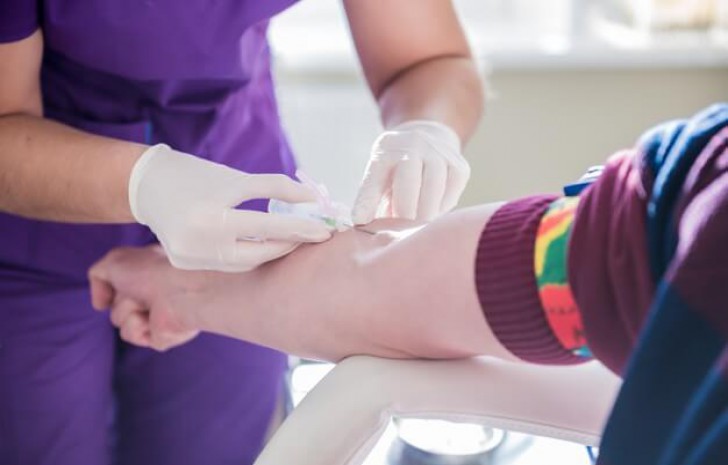
For some people, the idea of donating blood can be intimidating or even scary. However, by facing this fear and stepping out of your comfort zone, you can feel a sense of accomplishment and pride in knowing that you are helping others. Plus, the actual donation process typically only takes around 10-15 minutes, making it a small sacrifice for a potentially life-saving impact.
Conclusion
Becoming a blood donor is a powerful way to make a difference in your community and in the lives of others. It is a selfless act that has the potential to save lives and improve the health of both donors and recipients. So why not consider becoming a blood donor today? The power of giving is in your hands.